
How to Choose Incontinence Supplies
Shopping for incontinence supplies — whether for yourself or a family member you're caring for — shouldn't feel complicated or embarrassing. This guide walks through the main types of products available, how absorbency and sizing work, and what to consider when choosing between day and overnight options, so you can order with confidence and discretion.
Types of Incontinence Products
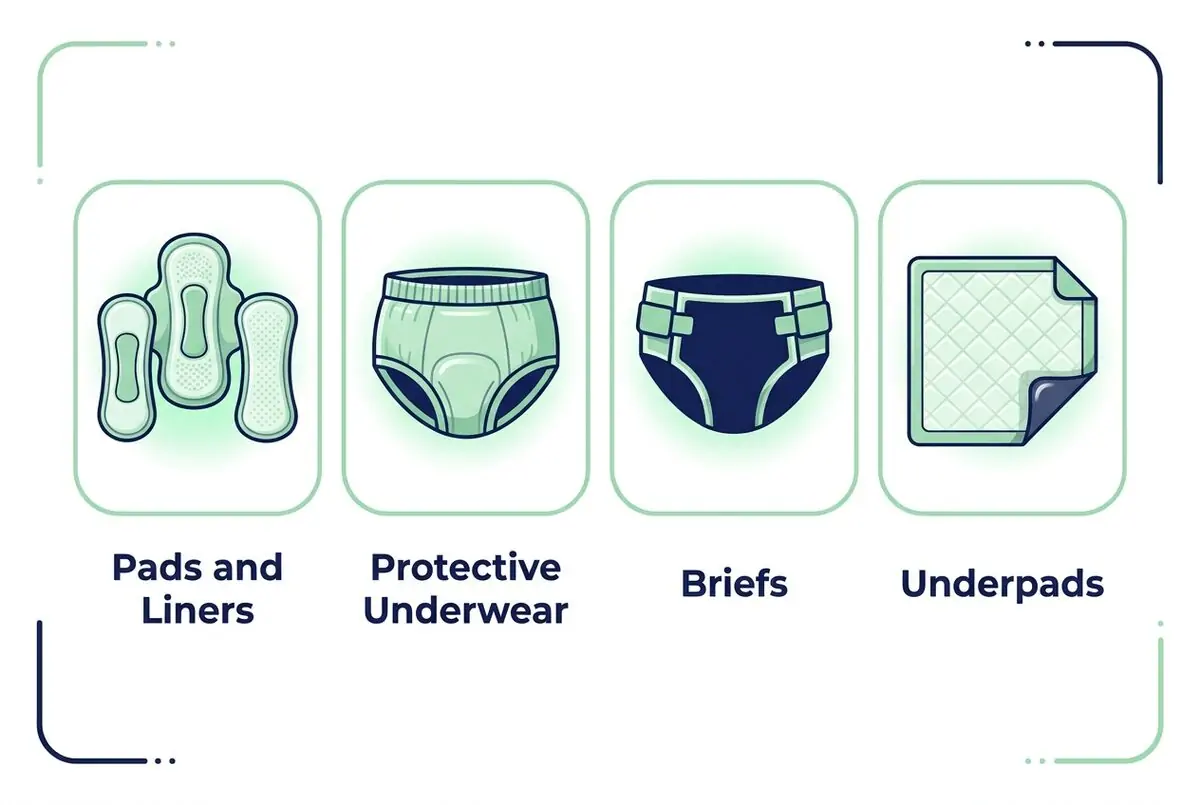
Incontinence products generally fall into a few categories, each suited to different needs and levels of mobility:
Pads and liners are thin, absorbent inserts worn inside regular underwear. They work well for light to moderate leakage and offer a discreet, familiar feel similar to a sanitary pad.
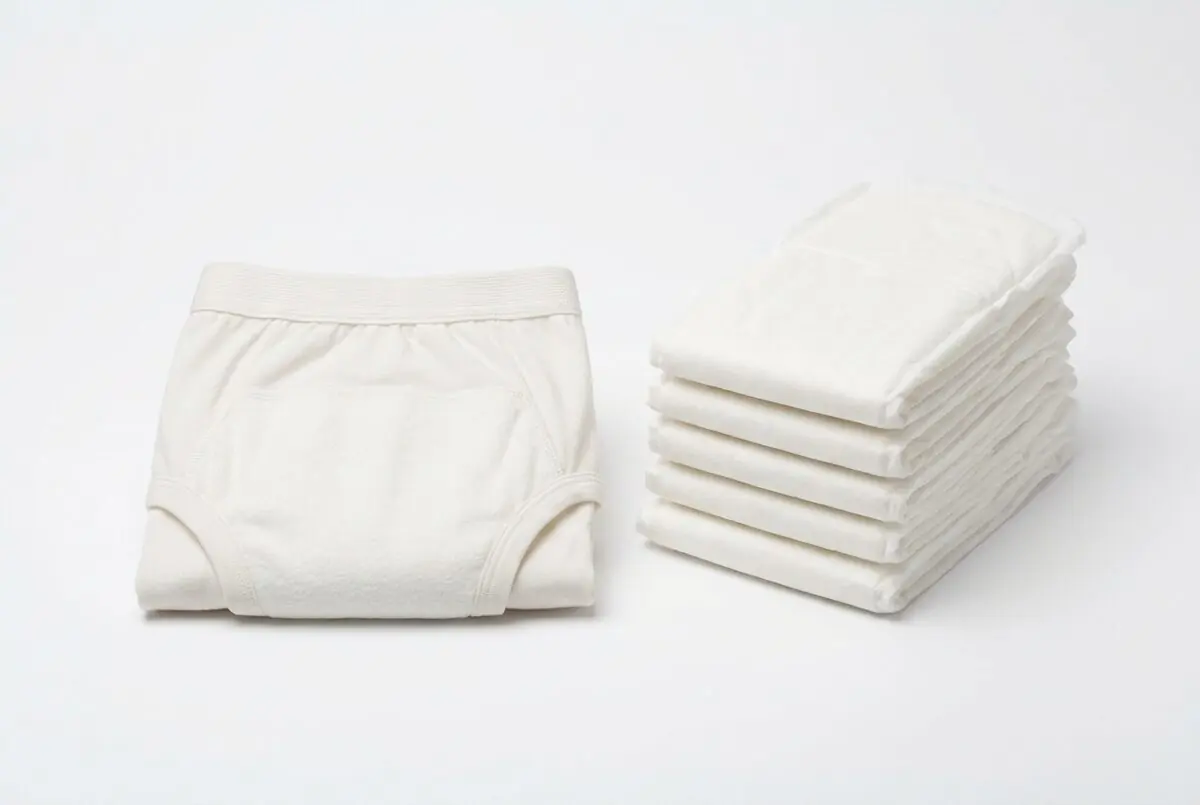
Protective underwear (pull-ups) look and function like regular underwear but have built-in absorbent layers. They pull on and off like normal underwear, which many people find easier and more dignified for everyday use, especially for anyone who can still use the bathroom independently.
Briefs (sometimes called adult diapers) fasten at the sides with tabs, similar to a baby diaper. They're generally recommended for heavier leakage or for people with limited mobility, since they can be changed while someone is lying down and offer the most coverage.
Underpads (chux) are absorbent sheets placed on a bed, chair, or other surface to protect against leaks — useful alongside any of the products above, particularly overnight or for someone who spends a lot of time seated or in bed.
Understanding Absorbency Levels
Absorbency rating (a product's ability to hold liquid before it needs changing) usually falls into a few general tiers — light, moderate, heavy, and overnight/maximum. There's no universal standard across every brand, so absorbency labels are best used as a relative guide rather than an exact measurement. As a starting point: light absorbency suits occasional dribbles or light bladder leaks; moderate suits regular daytime use; heavy and overnight/maximum absorbency suit significant leakage or extended wear time. If you're not sure where to start, it's reasonable to begin with a moderate option and adjust based on how it performs.
Sizing and Fit
Like clothing, incontinence products are sized by waist or hip measurement, and a correct fit matters for both comfort and leak protection — too loose and the product can shift or gap at the legs; too tight and it may be uncomfortable or less effective. Most product pages list a sizing chart based on waist/hip circumference in inches; measuring before ordering, rather than guessing from a regular clothing size, gives the most reliable fit.
Choosing for Day vs. Overnight Use
Daytime use generally calls for a product that's comfortable to wear while moving around, with a slimmer profile that fits discreetly under clothing — pads, liners, or moderate-absorbency protective underwear are common daytime choices. Overnight use generally calls for a product built for extended wear without a change — overnight or maximum-absorbency briefs or protective underwear, sometimes paired with an underpad on the bed for extra protection. Because a full night can mean 7-8 hours without a change, overnight products are usually bulkier and more absorbent than daytime versions by design, not as a sign something is wrong with the fit.
Odor Control and Skin Protection
Many incontinence products include odor-control layers built into the absorbent core, which help neutralize odor as liquid is absorbed rather than masking it with fragrance. For skin protection, look for products described as breathable or moisture-wicking, and change products promptly once they've reached capacity — prolonged contact with moisture against the skin can lead to irritation over time. A barrier cream or skin protectant, used as recommended by a doctor or caregiver, can help as an additional layer of protection for some people.
How to Choose: A Quick Checklist
Before ordering, think through: the type that matches the level of mobility and independence involved (pads/liners and protective underwear for more independent use; briefs for less mobile situations or heavier leakage); the absorbency level that matches how much and how often leakage occurs; accurate waist/hip measurements for sizing; and whether day and overnight needs call for two different products. It's also worth trying a smaller quantity first when switching to a new product or brand, to confirm fit and comfort before committing to a larger order.
This information is not a substitute for professional medical advice, diagnosis, or treatment. Always ask your doctor or other qualified healthcare provider, especially to understand the underlying cause of incontinence. In an emergency, call 911.
Frequently Asked Questions
What are the different types of incontinence products, and which one do I need? The main types are pads/liners, protective underwear (pull-ups), briefs (tab-style), and underpads for furniture or bedding. The right choice depends mostly on the amount of leakage and how independently someone can manage changes.
What's the best incontinence product for heavier leakage? For heavier leakage, briefs or heavy/overnight-absorbency protective underwear are generally the better fit, since they're built with more absorbent capacity and, for briefs, more total coverage. The right pick also depends on mobility — briefs are often easier to change for someone who isn't fully independent in the bathroom.
What's the difference between incontinence pads, briefs, and adult diapers? Pads are thin absorbent inserts worn inside regular underwear, for lighter leakage. Briefs (sometimes called adult diapers) fasten with side tabs and offer full coverage, typically used for heavier leakage or lower mobility. Protective underwear pulls on like regular underwear and sits between the two.
How do I know what size incontinence product to order? Sizing is based on waist and hip measurement in inches, not standard clothing sizes. Measure yourself (or the person you're ordering for) and check the specific product's sizing chart before ordering.
What's the best option for overnight use? Overnight or maximum-absorbency briefs or protective underwear are built for extended wear without a change through a full night's sleep, and are generally bulkier than daytime products by design. Pairing one with an underpad on the bed adds an extra layer of protection.
Are incontinence products available in bulk for a facility or caregiving situation? Yes — many incontinence supplies are available by the case for home caregivers managing ongoing needs, as well as for facilities and home health agencies. Shop our incontinence category to see current options.
Ready to find the right fit and absorbency for your needs? Shop our incontinence category to browse Great Oak Medical's full range of incontinence supplies, delivered discreetly, or reach out to our customer care team if you have questions about sizing or product selection.